
By:
Dr. Ibrahim Iyaz, Assistant Medical Director & Consultant in Family
Medicine
Dengue
fever remains one of the most common mosquito-borne illnesses affecting
tropical countries, including the Maldives. With increasing international
travel, urbanization, climate-related changes, and expanding mosquito habitats,
dengue continues to be a significant public health concern worldwide. According
to the World Health Organization (WHO), approximately half of the world's
population is now at risk of dengue infection, with an estimated 100–400
million infections occurring annually.
Understanding
how dengue spreads, recognizing its symptoms early, and taking preventive
measures can help protect ourselves, our families, and our communities.
What
is Dengue Fever?
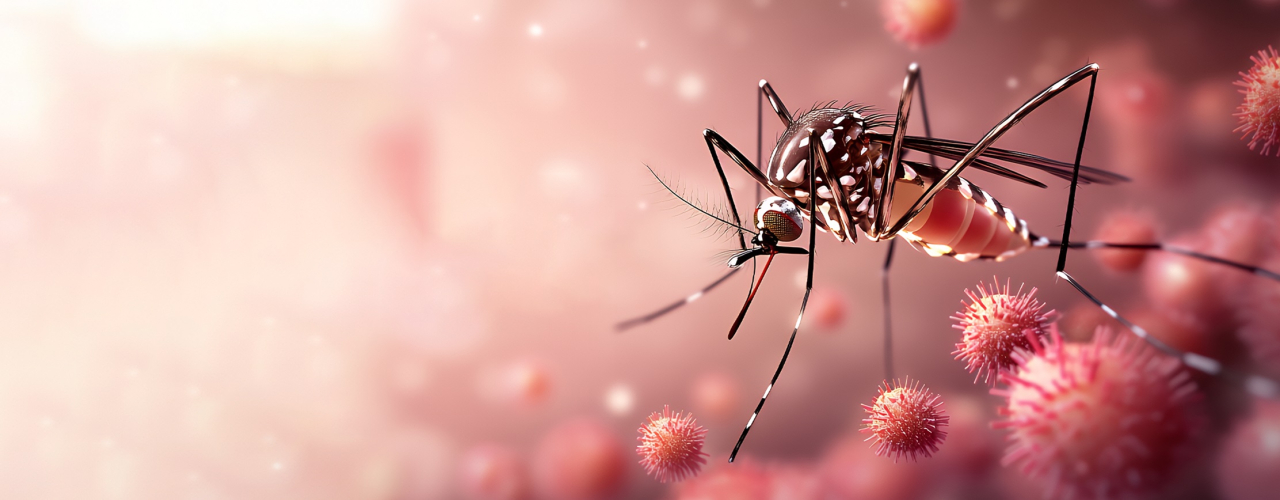
Dengue
fever is a viral illness transmitted primarily through the bite of infected
Aedes mosquitoes, particularly Aedes aegypti and Aedes albopictus. These
mosquitoes are most active during daylight hours, especially in the early
morning and late afternoon.
Dengue
is sometimes called "break-bone fever" because of the severe muscle
and joint pain that many patients experience. Most people recover completely
within one to two weeks, but some may develop severe dengue, which can be
life-threatening if not recognized and treated promptly.
What
Causes Dengue?
Dengue is caused by the dengue virus (DENV), which belongs to the flavivirus family. Importantly, there are four distinct types (serotypes) of dengue virus:
- DENV-1
- DENV-2
- DENV-3
- DENV-4
Infection
with one type generally provides lifelong protection against that specific
type, but not against the other three. This is why a person can experience
dengue more than once during their lifetime.
Who
is Most Susceptible?
Dengue
can affect people of all ages, from infants to older adults.
However, certain groups may be at higher risk of complications:
- Infants and young children.
- Pregnant women.
- Older adults.
- Individuals with chronic medical conditions.
- People experiencing a second dengue infection with a different dengue serotype.
Recent
evidence shows that severe dengue is more likely to occur during a subsequent
infection with a different serotype than the one that caused the first
infection.
Signs
and Symptoms of Dengue Fever
Symptoms
typically develop 4–10 days after being bitten by an infected mosquito and
usually last between 2–7 days.
Common symptoms include:
- Sudden high fever
- Severe headache
- Pain behind the eyes
- Muscle aches
- Joint pains
- Nausea and vomiting
- Rash
- Fatigue and weakness
- Swollen glands in some patients
Warning
Signs of Severe Dengue
Many
people mistakenly believe that the danger has passed once the fever starts to
settle. In reality, severe dengue often develops when the fever begins to come
down.
Seek immediate medical attention if any of the following occur:
- Severe abdominal pain
- Persistent vomiting
- Bleeding from the nose or gums
- Blood in vomit or stool
- Drowsiness or restlessness
- Difficulty breathing
- Cold, clammy skin
- Extreme weakness or dizziness
Early
medical assessment can be lifesaving.
A
Common Misconception: Is Dengue Contagious?
One
of the most frequent questions doctors receive is:
"My
spouse and children also got dengue. Does that mean dengue is contagious?"
The
answer is no.
Dengue is not spread directly from person to person like influenza, COVID-19, or the common cold. You cannot catch dengue by:
- Touching someone with dengue
- Sharing food
- Hugging
- Living in the same house
- Caring for a patient with dengue
Instead,
dengue spreads through mosquitoes.
Why
Do Several People in the Same Household Get Dengue?
This
is often misunderstood.
When
one family member becomes infected, it usually indicates that infected
mosquitoes are present around the home. The same mosquitoes may bite other
household members, leading to multiple infections within the same family over
days or weeks.
Therefore,
clustered family cases usually reflect shared mosquito exposure, not
person-to-person transmission.
Can
You Get Dengue Again?
Yes.
A
previous dengue infection does not provide complete protection against future
dengue infections. Because there are four different serotypes, a person can be
infected more than once in their lifetime.
In
fact, research has shown that infection with a different dengue serotype later
in life may increase the risk of developing severe dengue. This is one reason
why every episode of fever should be taken seriously, even in individuals who
have had dengue before.
How
Can We Prevent Dengue?
Since
there is currently no specific antiviral treatment for dengue, prevention
remains our strongest defence.
Prevent
Mosquito Breeding
Aedes
mosquitoes breed in clean, stagnant water. Community participation is
essential.
Everyone should:
- Empty containers holding water regularly.
- Cover water storage tanks and barrels.
- Remove unused tires, cans, bottles, and containers.
- Clean roof gutters.
- Change water in flower pots and vases frequently.
- Ensure proper drainage around homes.
Protect Against Mosquito Bites
- Use mosquito repellents
- Wear long-sleeved clothing when possible
- Install window and door screens
- Use mosquito nets, particularly for infants, elderly individuals, and sick patients
- Use indoor mosquito control measures when appropriate
Community
Action Matters
Dengue
control cannot be achieved by individuals alone. Neighborhoods, schools,
workplaces, local councils, and health authorities all have an important role
in eliminating mosquito breeding sites and promoting public awareness.
Final
Message
Dengue
fever is a preventable disease. Understanding how it spreads, recognizing
warning signs early, and eliminating mosquito breeding sites can significantly
reduce the burden of illness in our communities.
Remember:
- Dengue is caused by a virus transmitted by mosquitoes.
- It is not spread directly from person to person.
- Multiple family members may become infected because they are exposed to the same infected mosquitoes.
- A previous dengue infection does not guarantee protection against future dengue infections.
- Early medical assessment is essential when warning signs appear.
By
working together to control mosquito breeding and seeking prompt medical care
when needed, we can reduce the impact of dengue and protect the health of our
families and communities.
Sources: World Health Organization (WHO) Dengue
Fact Sheet (2025), WHO Dengue & Severe Dengue Guidance, CDC Dengue Clinical
Features (2026), CDC Dengue Overview (2025), and PAHO Dengue Prevention
Resources.